

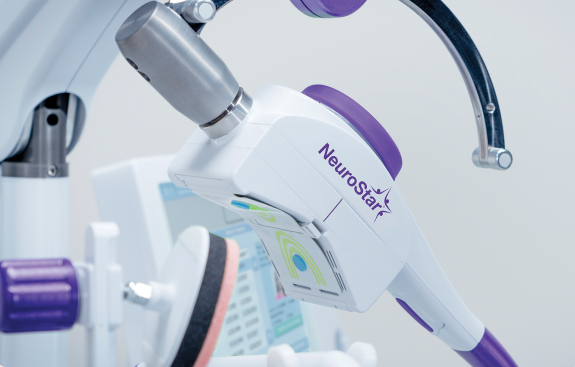
The most common reason working adults hesitate over Transcranial Magnetic Stimulation is not doubt about whether it works. It is the calendar. A course of 36 weekday sessions sounds impossible next to a full-time job, a commute along the Lodge or I-696, and family commitments. Modern Mind Clinic hears this concern every week, and the answer is that the treatment was built for exactly this situation. Learning how TMS Therapy Southfield MI fits into a working day is usually what turns hesitation into a start date.
This article walks through the practical side: how long each visit really takes, when people schedule sessions, what to tell an employer, and how to protect your progress when work is demanding.
What a Treatment Day Actually Looks Like
Each session may take as little as 19 minutes in the chair. Allowing for check-in and coil placement, most patients are in and out of Modern Mind Clinic in about half an hour. There is no anesthesia or sedation, so you arrive and leave under your own steam, and there is no recovery period. Patients regularly go straight from the clinic into a meeting.
The most common side effect is temporary scalp discomfort or headache, which usually settles within the first week. TMS does not have the common systemic side effects of medication, so there is no drowsiness or fog to work around, and clinical trials showed no adverse effects on memory or concentration.
Scheduling Patterns That Work
Early Morning: The first slots of the day are popular with commuters who stop in on the way to the office. A 7:30 session has you at your desk by 8:30.
Lunch Break: For those working in Southfield, Farmington Hills, or Troy, a midday slot fits inside a standard lunch hour.
End of Day: Late-afternoon sessions suit people who prefer to finish work first and treat the visit as the boundary between work and home.
Modern Mind Clinic keeps your slot consistent for the full course, which turns the sessions into a habit rather than a daily negotiation. The team also plans around known travel, and occasional missed days are made up at the end.
Talking to Your Employer
You are not required to disclose a medical treatment to an employer, and many patients simply block a recurring half hour in their calendar. If you prefer to be open, the conversation is usually easier than expected: a brief daily medical appointment for six weeks is a modest accommodation, and treatment for major depressive disorder is protected under the same rules as any other health condition.
Some patients use intermittent leave under the Family and Medical Leave Act to cover the daily window. The clinic can provide the documentation your HR department requires.
Protecting Your Progress While Working
Transcranial Magnetic Stimulation is FDA-cleared for major depressive disorder in adults, and the effect builds cumulatively across about six weeks. That means consistency matters more than any single session. Keep counseling appointments, keep taking medication your prescriber has left in place, and let the clinic know early if a project deadline threatens your slot. In real-world outcomes reported by NeuroStar, 83% of patients who completed treatment experienced measurable depression relief, and 62% reached full remission.
When Work Itself Is Part of the Problem
For some professionals, the job is not just the obstacle to treatment but one of the pressures that helped depression take hold. Long hours, constant availability, and a culture that rewards pushing through can keep a person functioning at work long after they have stopped functioning anywhere else. Recognizing that pattern is part of the evaluation at Modern Mind Clinic, and it shapes the advice you receive alongside treatment.
TMS addresses the biology of the depression; it does not change a workload. Pairing the course with counseling gives you a place to look honestly at boundaries, workload, and the habits that will need to change if the improvement is going to last. Many patients find that the clarity that returns during treatment is exactly what they needed to have those conversations at work.
Frequently Asked Questions About TMS and Work
Will I be able to concentrate at work after a session?
Yes. There is no sedation, and clinical trials showed no adverse effects on memory or concentration. Most patients notice no difference in their afternoon.
Can I travel for work during the course?
Short trips can be planned around, and missed sessions are made up. Tell the team at Modern Mind Clinic as soon as travel is confirmed.
Does insurance cover TMS Therapy Southfield MI patients receive?
Most major insurers and Medicare cover TMS for major depressive disorder once medication criteria are met. Benefits are verified before your first session.
To learn more or schedule a consultation, call Modern Mind Clinic at (248) 607-7190.
